
"heating element"
600 article(s) found

Analysis of homemade coffee: siphon pot
Siphon pot (Syphon), commonly known as "glass ball" or "siphon", is a simple and easy-to-use method of coffee brewing, and it is also one of the most popular coffee brewing methods in cafes. Although the siphon pot has the nickname of "plug wind type", it has nothing to do with the siphon principle, but uses water heating to produce water vapor, resulting in thermal expansion and cold contraction principle, push the hot water from the lower sphere to the upper pot, and then wait for the lower pot to cool.

Homemade coffee analytical siphon pot
Siphon pot (Syphon), commonly known as "glass ball" or "siphon", is a simple and easy-to-use method of coffee brewing, and it is also one of the most popular coffee brewing methods in cafes. Although the siphon pot has the nickname of "plug wind type", it has nothing to do with the siphon principle, but uses water heating to produce water vapor, resulting in thermal expansion and cold contraction principle, push the hot water from the lower sphere to the upper pot, and then wait for the lower pot to cool.

How to mix coffee with milk? what kind of milk is better for coffee?
Professional coffee knowledge exchange more coffee bean information Please pay attention to the secret of milk in the coffee workshop (Wechat official account cafe_style) in the coffee shop's drink menu, milk and espresso are the soul elements that make up most drinks. The process of making a cup of milk coffee is by no means easy, and it takes a lot of patience to witness the barista inject milk into the

Analysis of main components of cooked Coffee beans in Yunnan
Follow Ka Pin (Wechat official account vdailycom) found that the beautiful cafe opened a small shop of its own-Shenyang, the birthplace of China, has a lot of authentic cuisine. There is a melting pot of culture. the ancient city with a history of more than 5000 years, the first capital of the Qing Dynasty, was once called Xishui, Fengtian, Shengjing and so on. There are Hui, Xian and Japanese communities there.

Siphon pot appliance brewing coffee steps method taste variety characteristics of production area introduction
Siphon pot brewing coffee steps method taste variety characteristics production area introduction one, fill water-hook filter will be filled with hot water under the pot, to the "two cups" icon mark. Put the filter element into the upper pot, pull the end of the chain with your hand, and gently hook it on the end of the glass tube. Be careful not to release the hook suddenly, so as not to damage the glass tube of the pot. [2]II. Ignition-Insert pot obliquely-Wait

How is the best coffee made? what are the key factors that affect the taste of coffee?
Coffee is already an indispensable way of life for most people, from instant coffee, Italian coffee, and now popular various brewing utensils to brew coffee, hand-brewed coffee and so on, and fine coffee is the darling of modern coffee drinks. However, no matter how the coffee appears in front of people, the quality of the coffee can not be ignored.

Why do the big names insist on co-naming with coffee?
Nowadays, it has long been common for big brands to "sell coffee" across borders. In addition to being contestants in the catering industry, last year we also saw the post office, Li Ning, Special step, brain Platinum, Huawei and other big names successively enter the bureau, forming the scene of "cross-border coffee of all things." Cross-border coffee with different styles is the same as in previous years, coffee is still the capital sector.

How to use the Saifeng pot in the basic knowledge of making individual coffee?
Syphon, commonly known as "glass ball" or "siphon", is a simple and easy-to-use method of coffee brewing, and it is also one of the most popular coffee brewing methods in cafes. Although the Saifeng kettle has the alias of "siphon", it has nothing to do with the siphon principle, but uses water heating to produce water vapor, resulting in the principle of hot expansion and cold contraction, pushing the hot water from the lower sphere to the upper pot and waiting for the lower pot to cool.

Why do coffee beans turn brown after roasting? Why is there an aroma?
Coffee beans are light green and turn brown when roasted. This baking characteristic brown mainly comes from the brown pigment produced by oligosaccharins, amino acids and chlorogenic acids. The so-called brown pigment does not refer to a color or ingredient, but a general term for the many ingredients that make coffee different colors. Raw beans gradually change color during baking because of the total amount of brown pigment
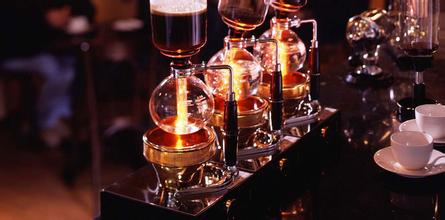
How to use siphon pot to make coffee siphon pot suitable for brewing what kind of coffee is suitable for using coffee beans
Siphon pot (Syphon), commonly known as "plug wind pot" or "siphon", is a simple and easy-to-use method of coffee brewing, and it is also one of the most popular coffee brewing methods in cafes. Although the siphon pot has the nickname of "plug wind type", it has nothing to do with the siphon principle, but uses water heating to produce water vapor, resulting in thermal expansion and cold contraction principle, push the hot water from the lower sphere to the upper pot, and then wait for the lower pot to cool.

Boutique coffee learns how to distinguish between new beans and old beans
The main components of raw beans are: carbohydrates, about 49%; moisture, about 12%; protein. About 11%; chlorogenic acid, about 7.6% alkaloids and trace elements, about 0.4%. According to the length of time, raw beans can be specifically divided into: seasonal beans (Current Crop), that is, fresh beans; new beans (New Crop), that is, raw beans of the first year; and old beans (Past Crop), that is,

How much is the total hardness of tea water? How much is the best influence on the taste of tea? What milk is good for milk and black tea?
Water A good cup of black tea cannot be separated from two elements, tea and water. Water seems to be a simple thing, but it is the element that should not be ignored. You know, the color and flavor of black tea will change with the water quality. The hardness of water is something we often talk about when brewing coffee and tea. Water hardness refers to the magnesium and calcium content per liter, hardness of less than 120 mg for soft water, 120 mg for soft water.

Coffee knowledge introduces the distinction between raw beans, new beans and old beans
After dry and wet processing, coffee fruit becomes coffee raw bean (Raw bean/Green bean). The main components of raw beans are: carbohydrates, about 49%; moisture, about 12%; protein. About 11%; chlorogenic acid, about 7.6% alkaloids and trace elements, about 0.4%. According to the length of time, raw beans can be divided into: seasonal beans (Current Cro)

If you don't understand the secret of milk, you don't know how to add milk to coffee.
Professional coffee knowledge exchange more coffee bean information Please pay attention to the secret of milk in the coffee workshop (Wechat official account cafe_style) in the coffee shop's drink menu, milk and espresso are the soul elements that make up most drinks. The process of making a cup of milk coffee is by no means easy, and it takes a lot of patience to witness the barista inject milk into the
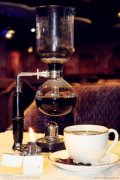
Coffee making skills homemade coffee analysis: siphon pot
Siphon pot (Syphon), commonly known as "glass ball" or "siphon", is a simple and easy-to-use method of coffee brewing, and it is also one of the most popular coffee brewing methods in cafes. Although the siphon pot has the nickname of "plug wind type", it has nothing to do with the siphon principle, but uses water heating to produce water vapor, resulting in thermal expansion and cold contraction principle, push the hot water from the lower sphere to the upper pot, and then wait for the lower pot to cool.

Fine Coffee Learn Coffee Green beans are classified into different types according to time
Coffee fruits are processed by wet and dry methods to become coffee beans (Raw beans/Green beans). The main components of raw beans are: carbohydrates, about 49%, moisture, about 12% and protein. About 11%; chlorogenic acid, about 7.6% Alkaloids and trace elements, about 0.4%. According to the length of time, raw beans can be specifically divided into: Current Cro

Coffee beginners must pay attention to matters to learn how to make coffee must understand the knowledge
The key to specialty coffee quality is determined by five factors that determine whether your coffee is mediocre or consistent specialty coffee. The perfect cup of coffee is different for everyone: one type of person may prefer strong coffee from a French press, another may prefer smooth, strong coffee from a siphon, and still others prefer simple coffee.
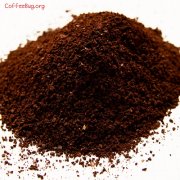
Fine coffee beans knowledge coffee bean grinding roughness and fineness
Freshness is the first element of good coffee, and the second important task is to master the roughness and fineness of coffee beans, which directly affects the extraction effect, that is, the quality and intensity of coffee flavor. In principle, the finer the coffee powder, the longer the brewing time, the stronger the coffee flavor; on the other hand, the thicker the coffee powder, the shorter the brewing time, the lighter the taste. The longer the extraction time, the thicker the beans will be ground so as not to cause excessive extraction.

The main components of raw beans are new beans and old beans.
After dry and wet processing, coffee fruit becomes coffee raw bean (Raw bean/Green bean). The main components of raw beans are: carbohydrates, about 49%; moisture, about 12%; protein. About 11%; chlorogenic acid, about 7.6% alkaloids and trace elements, about 0.4%. According to the length of time, raw beans can be divided into: seasonal beans (Current Cro)

How to use a siphon coffee pot to make coffee
Siphon pot (Syphon), commonly known as "glass ball" or "siphon", is a simple and easy-to-use method of coffee brewing, and it is also one of the most popular coffee brewing methods in cafes. Although the siphon pot has the nickname of "plug wind type", it has nothing to do with the siphon principle, but uses water heating to produce water vapor, resulting in thermal expansion and cold contraction principle, push the hot water from the lower sphere to the upper pot, and then wait for the lower pot to cool.